
Effective nonprofit auditors think of the customers served to understand risks

One of the main reasons running a nonprofit is very challenging is that it is really difficult to tell who the customer is. Without a good sense of who the customer is, it is difficult to define a clear value proposition and to have a sustainable business and corporate strategy. Why the mention of strategy, the most important risks are strategy risks, all others follow from it in my experience. It may not be obvious but I would also add that without this perspective nonprofit auditors may find themselves speaking an entirely different language from nonprofit executives. Very simply put revenue matters, else there is nothing to really talk about.

So who is the nonprofit’s customer?

Is it the donors that provide the resources and funds needed to carryout the nonprofit’s mission? If so what are they getting out of it? Most donors only have a limited understanding of who receives services. Is it the beneficiaries or clients served by the nonprofit’s mission? These clients pay nothing or less than the costs, so in what way are they the customers? Are the communities and local governments whose populations nonprofits serve the customers? It is true they give the social or even legal access to the populations served but they don’t pay for the services or directly receive the services. Nonprofits in effect do the work that communities and local governments should have done. There is also the question of volunteers, they can be thought of as customers too, they too offer their time and in some cases expertise.

There is no simple answer to the question who is the nonprofit’s customer, many articles and books have discussed it, its one of those chicken and egg problems. The simple fact is that effective nonprofit work, as a business challenge is far more complex than many people realize, and when auditors sit in-front of nonprofit executives and directors they should keep this in mind.

Disaster relief: How can AI improve humanitarian assistance?

The unique topic of artificial intelligence (AI) for humanitarian assistance and disaster relief (HA/DR) was in the spotlight last week, as leading minds from academia, industry and the federal government met to discuss how modern technology can help victims of disasters around the globe.

Source: Disaster relief: How can AI improve humanitarian assistance?

Sex abuse and misconduct will not be tolerated – DFID

Regrettably, for all the good work that nonprofits do around the world, they have not been exempt from issues of abuse and sexual misconduct in the work place and towards beneficiaries. The last two years have brought to light many scandalous acts of sex misconduct and abuse that were perpetrated by humanitarian aid workers.

At a recent summit held by DFID (the UK’s aid agency), the issues were addressed in a series of papers and resolutions that provided guidance for international humanitarian aid agencies to follow. (See a summary at the link below).

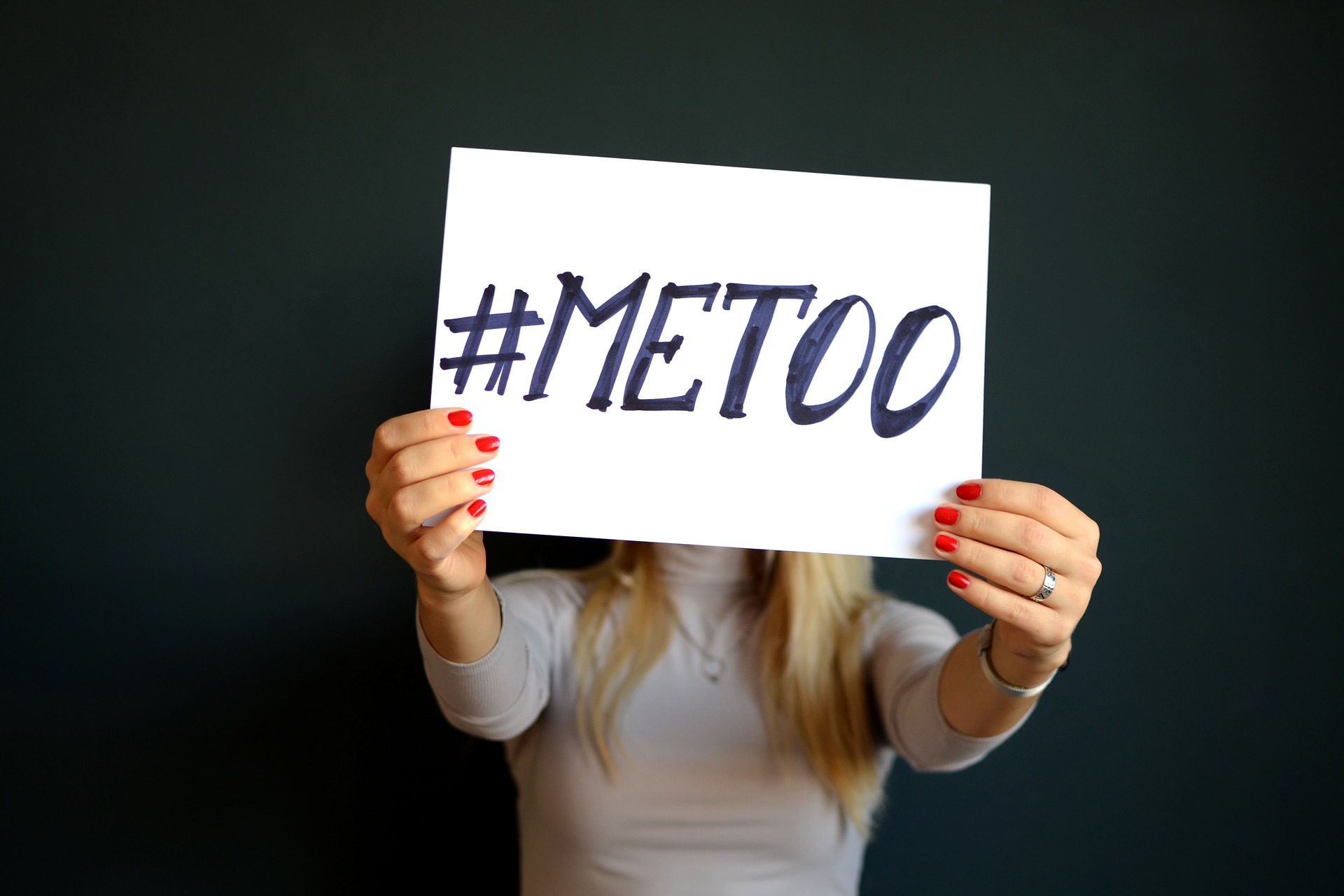
In the #metoo era nonprofit auditors should also consider how to gain better assurance over such sensitive culture areas. They can bring all nonprofit work to a standstill.

metoo-2859980_1920

Some questions. How is your audit function dealing with the topic? Can guidance provided by DFID and other agencies be useful for auditors, perhaps to establish an assurance baseline? Do we need more guidance from donor agencies, management and boards? Should auditors ignore such risks all together? If not involved in the assurance/checking work in this area, are those that are charged in your organization providing robust assurance?

My view is that auditors definitely need to engage management on the topic? Query how management is measuring the implementation of such guidances and of other countermeasures against sex abuse and misconduct. Auditors should follow up to ensure management has lived up to established standards and goals in the next years.

The scandalous nature of such issues, debases the work of all actors in the humanitarian sector. DFID’s call for collaboration amongst all agencies is to my mind vital to snuff out those involved in the misconduct and abuse and to address the cultures that look the other way.

See the below article that summarize the conference outcomes.

www.gov.uk/government/publications/safeguarding-summit-2018-hosts-outcome-summa

10 Things Keeping Nonprofit Auditors Up At Night – The NonProfit Times Article

What is on your audit plan for 2019? Have you begun to consider topics to address? Here’s a list of the top 10 challenges keeping nonprofit auditors up at night, and possible remedies (see link below) to help auditors continue their critical contributions to nonprofits.

  1. Changes to organizational strategy
  2. Organizational culture
  3. New technology
  4. Cybersecurity
  5. Compliance with funder requirements
  6. Financial controls
  7. Reliance on third parties
  8. Procurement procedures
  9. Transportation and distribution (logistics)
  10. Fraud and corruption

What do you think? I definitely agree with a good many of the items on the list.

In my experience the challenge is that nonprofit management and boards tend to constraint auditors to execute cyclical and compliance based audits of various organization segments/units and organization partners. This mostly out of habit and such audits tend to miss important entity level risks.

Click the article for more details and for some great proposed remedies. I might add that I know the authors well and they are quite knowledgeable about the challenges.

Source: 10 Things Keeping Nonprofit Auditors Up At Night – The NonProfit Times